
What to Bring on Your First OHV Trail Ride
Your first OHV trail ride is one of those experiences you will not forget. But the difference between a great day out and a frustrating one almost always comes down to preparation. What you pack, how you plan, and what you wear matters a lot more than most new riders expect.
This guide covers everything you should bring on your first OHV trail ride so you can focus on the fun and not spend the day solving problems that could have been avoided at home. All the riding areas in this guide are designated OHV trails, approved riding areas, and private property, the only places an electric dirt bike belongs.

What to Wear Before You Even Leave
Gear comes first because nothing else on this list matters if you get hurt. Off-road riding involves real speed, loose terrain, and unexpected obstacles. The right gear protects you without getting in the way of the ride.
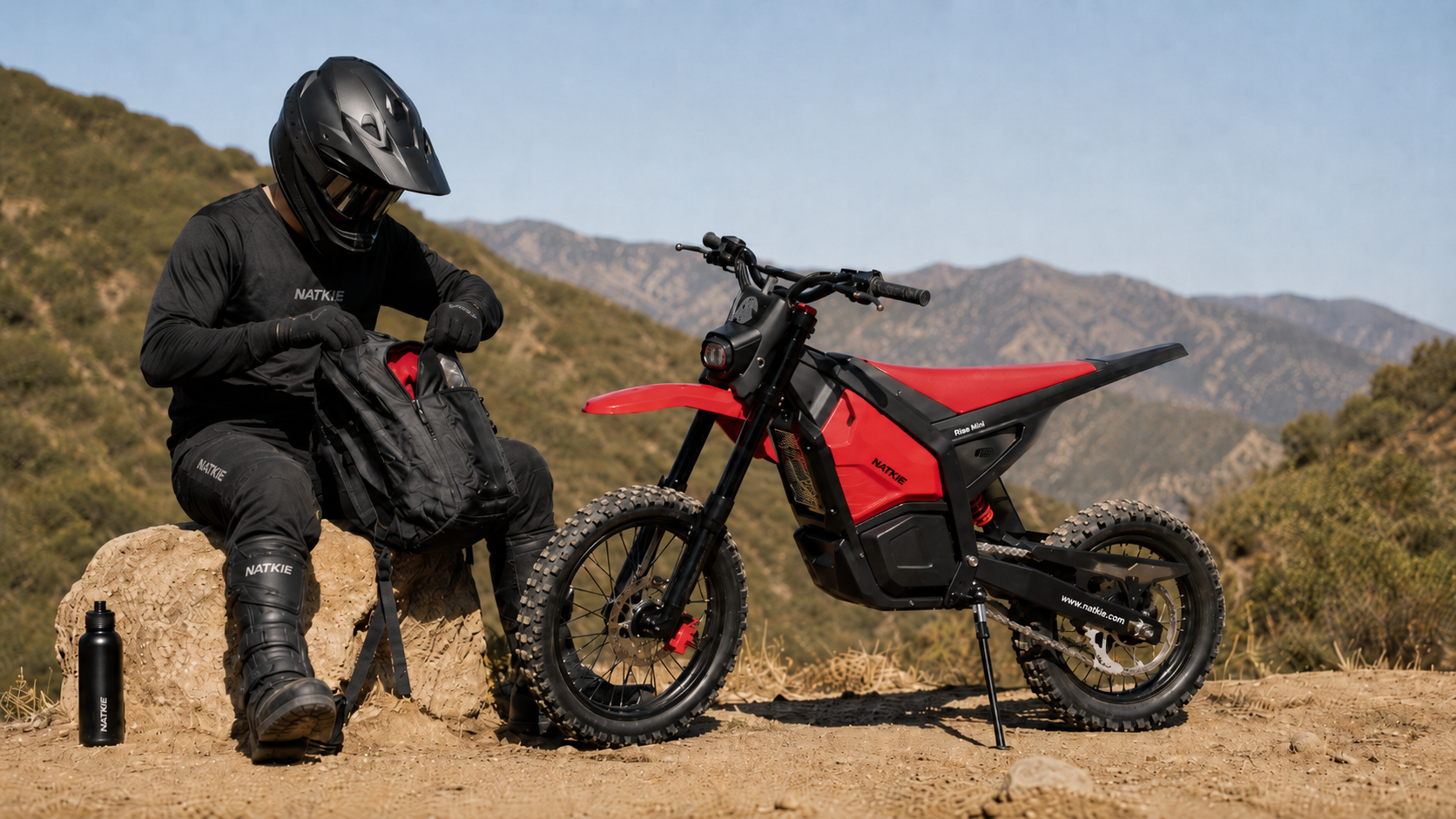
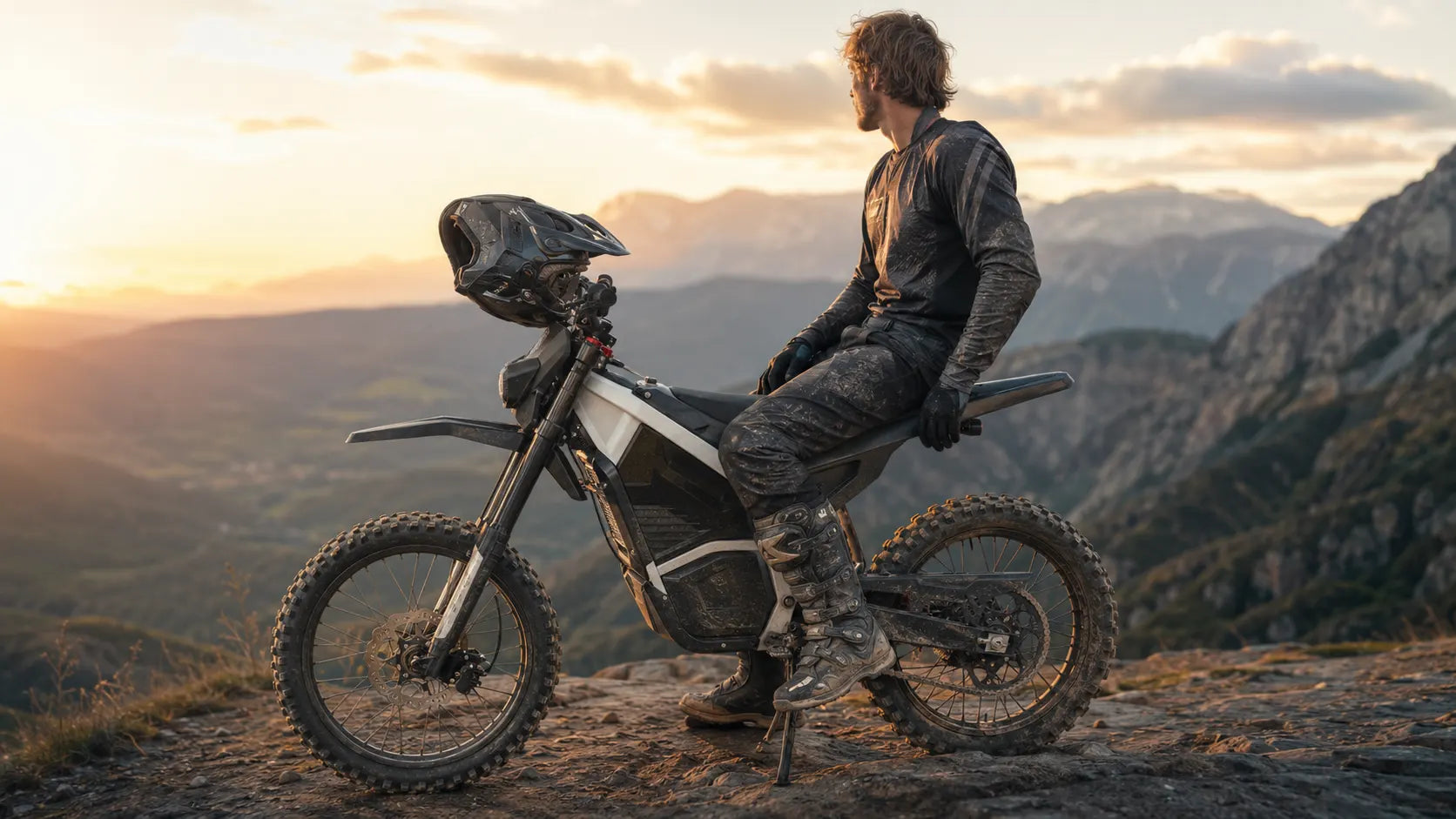
At minimum, every rider should wear a full-face helmet, goggles or proper eye protection, gloves, long sleeves and long pants, and over-the-ankle boots. Knee and elbow pads are strongly recommended for any first-time rider. If you are riding rougher terrain or doing anything technical, adding a chest and back protector is a smart move.
Do not skip this step because the trail looks easy. Conditions change, and gear that feels unnecessary at the start of a ride has saved a lot of riders before the end of one.
What to Pack in Your Trail Bag
Once gear is sorted, think about what goes in your pack. For a first OHV trail ride, a lightweight backpack or hydration pack works well for most riders.
The essentials:
- Water is the most important thing. Dehydration hits fast when you are active outdoors, especially in desert or warm conditions. Bring more than you think you need. A hydration pack is easier to manage while riding than a water bottle.
- Snacks and extra food matter on longer rides. Even a short trail session can turn into a full day if you explore more than planned.
- A basic first-aid kit covers most minor trail injuries. Nothing elaborate, just bandages, antiseptic wipes, and medical tape.
- Your phone should be fully charged before you leave. Download offline maps or use a GPS app in case you lose signal on the trail.
- A whistle and a small flashlight or headlamp are easy to pack and worth having in an emergency.
- Sunscreen, an extra layer or rain jacket, and any personal ID or emergency cash round out the bag for most trail sessions.
Tools and Recovery Items
This section is what separates riders who handle trail problems calmly from those who end up stuck waiting for help.
A multi-tool handles most minor adjustments and fixes. A tire repair kit or spare tube is critical since a flat tire on the trail is one of the most common issues riders face. Zip ties and a roll of duct tape or electrical tape can fix a surprising number of problems temporarily until you get back to the truck.
A tow strap is worth packing if you are going somewhere more remote. If your bike stops working or gets stuck, being able to pull it out without manual carrying makes a huge difference.
For electric dirt bikes, check your battery charge before heading out and make sure the range on your bike matches the distance you plan to ride. Riding to the turnaround point with less than half your battery left is a common mistake on first rides.
Plan Before You Leave Home
Good trail days start before you ever load the bike. A few things to sort out before you go:
- Tell someone where you are going and when you plan to be back. This is the most important safety step for solo or small group riders. If something goes wrong on the trail, someone should know where to look.
- Check the trail rules and any permit or registration requirements for the area you are visiting. Many OHV areas require a valid permit, OHV sticker, or registration before you can legally ride. Rules vary by state and location, so always verify on official sources before your visit.
- Check the weather. Conditions can change fast on desert or mountain trails. Rain can make dirt surfaces slippery and dry washes dangerous.
- Make sure your bike matches the terrain and your skill level. A trail marked as difficult is not a great first ride. Start with something appropriate for where you are as a rider right now.
- Never ride alone if you can avoid it. Having another rider with you means someone can go for help if something goes wrong.
How NATKIE Fits Into a Trail-Ready Setup
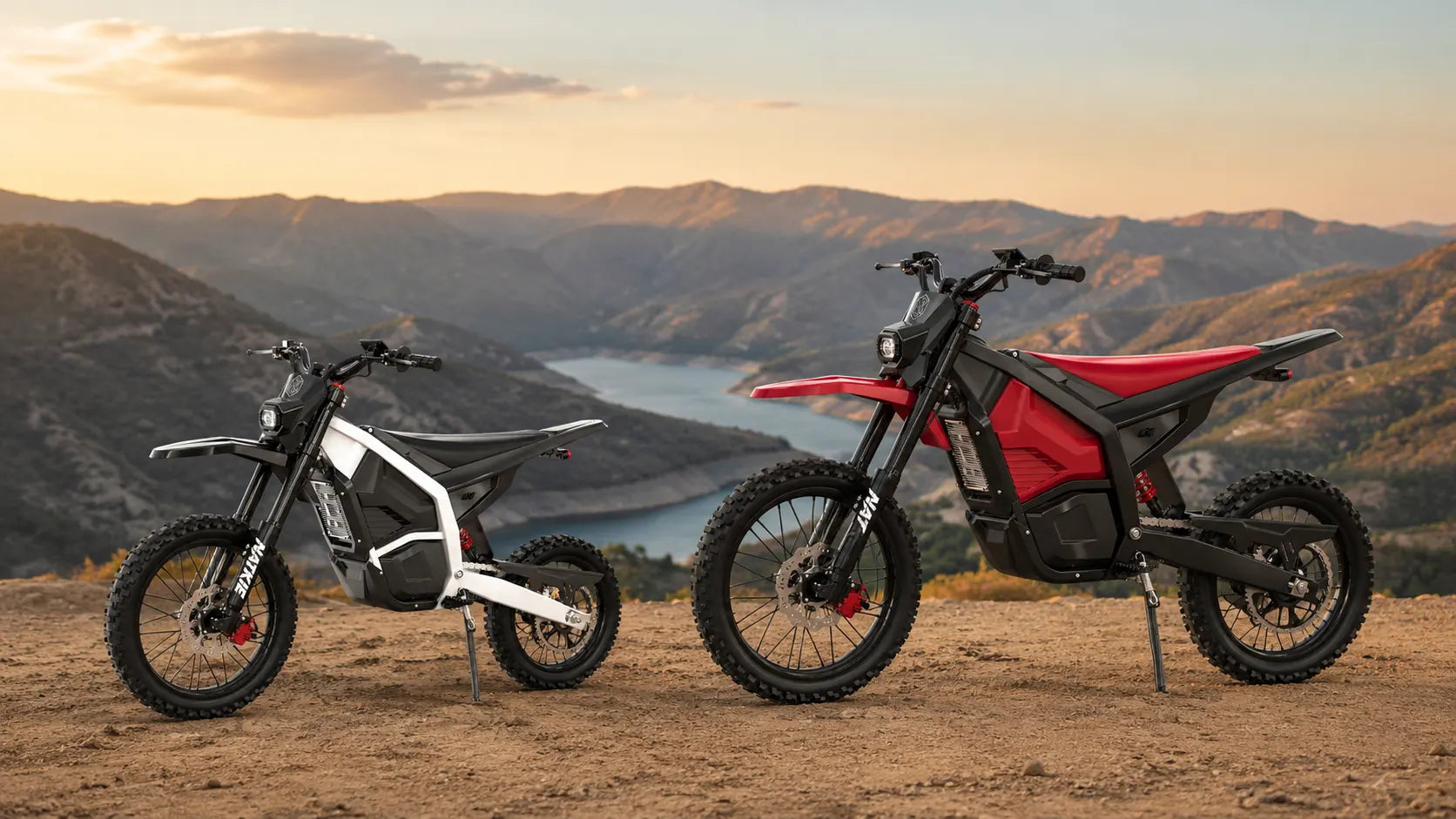
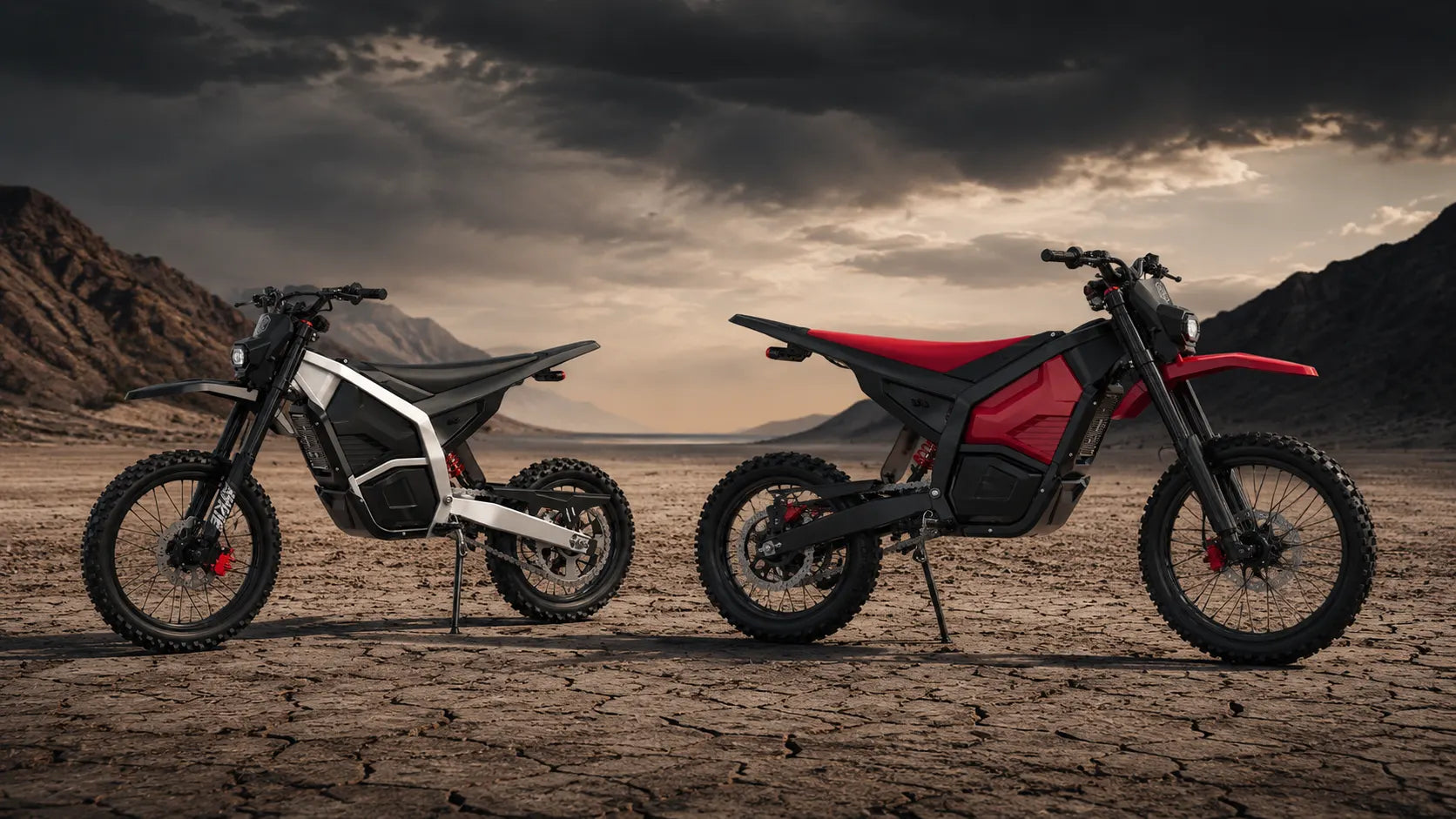
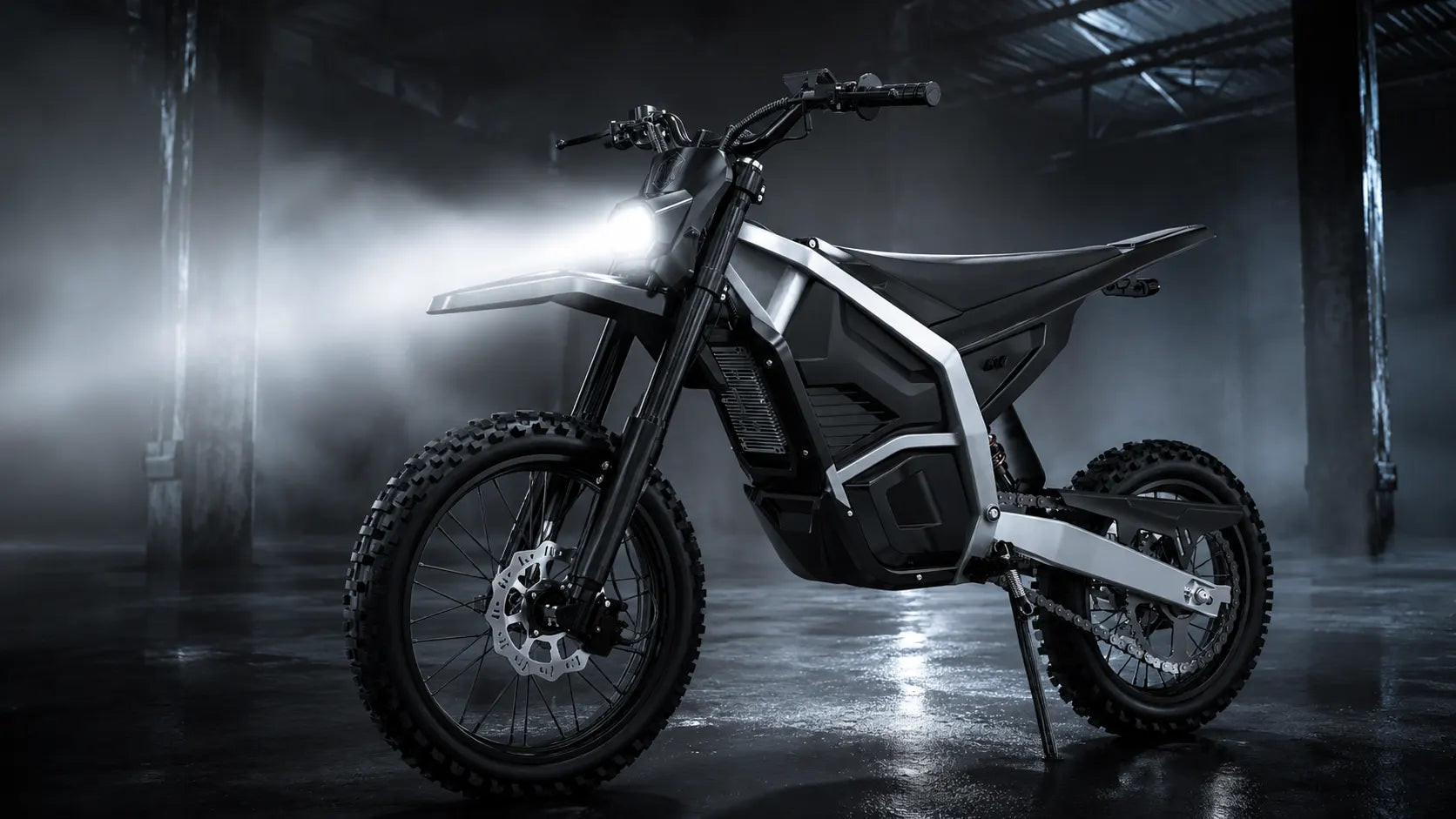
If you are riding one of our electric off-road bikes on your first OHV trail, the same packing list applies with one addition: plan your battery range before you go.
Both the Rise Mini with 20 to 55 miles of range and the Rise Core with 30 to 62 miles of range are well-suited for most first trail sessions. Just make sure your planned route fits comfortably within the range of your bike so you are not calculating distance on the way back.
Before your first OHV ride, make sure your gear, tools, and route are sorted. Then choose a bike that matches the kind of trail you actually want to ride. Explore our lineup at NATKIE.
Stay tuned on our YouTube channel for upcoming ride content, trail videos, and real-world performance breakdowns.
All NATKIE bikes are for off-road use only on dirt trails, private tracks, and approved riding areas. They are not street legal.
Share: