
What to Look for When Buying Your First Electric Dirt Bike
Choosing your first electric dirt bike feels simple until you actually start looking. The market is full of options at wildly different price points, with specs that are hard to compare and marketing that makes everything sound incredible.
This guide cuts through the noise. Whether you are a teen getting into off-road riding for the first time, an adult who wants to try something new, or a parent helping a younger rider pick their first machine, the checklist below covers everything that actually matters when buying your first electric dirt bike. At NATKIE we build specifically for off-road trail riding, which means every spec and feature on our bikes is designed with dirt in mind, not the commute.
Start With Your Riding Level and Style
Before you look at motors and batteries, be honest about where you are as a rider. If you are just getting started, you want something that feels easy to control, not a machine that surprises you every time you touch the throttle.
Beginners do best with lighter bikes, smooth power delivery, and ride modes that let them start gently and unlock more performance as they improve. Intermediate riders can step up to stronger motors and more aggressive suspension setups.
Think about your riding style too. Are you planning relaxed weekend trail sessions, laps on a private dirt track, or more technical terrain with jumps and hills? Matching the bike to what you actually want to do makes a huge difference in how much you enjoy it.
Power Battery and Range
Many first-time buyers focus too much on top speed. A higher number looks impressive online but does not always mean a better ride, especially for someone still building skills on loose dirt. For most new riders, a mid-drive brushless motor in the 3,000 to 6,000 watt range with selectable speed modes is the right starting point. It gives you enough power to feel the thrill while still giving you the control you need to learn. Smooth, linear torque from a quality brushless motor also makes it easier to launch on loose surfaces compared to gas bikes that need clutch work and gear changes.
Battery size controls how long you can ride before you need to plug in. Most adult electric dirt bikes deliver somewhere between 20 and 60 miles depending on terrain, rider weight, and how hard you push. For a first bike, aim for something that realistically covers 20 to 55 miles on a single charge. A charging time under 5 hours is helpful if you plan to ride regularly or share the bike.
Suspension Brakes Tires and Size
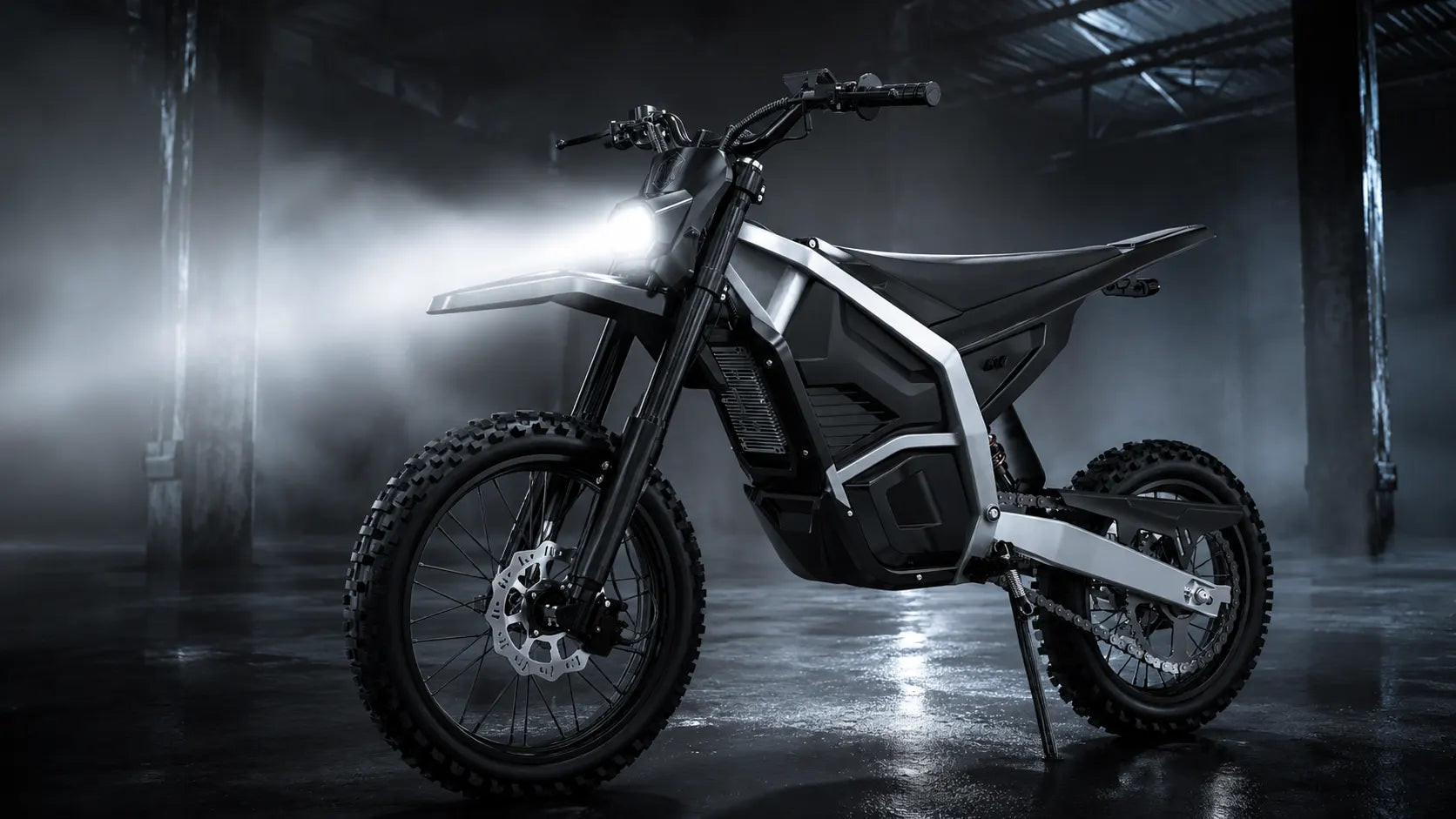
Off-road riding is hard on equipment. A good electric dirt bike needs proper suspension, real brakes, and actual dirt tires. These components matter more than top speed or watt numbers when you are actually on rough terrain. Look for a hydraulic front fork paired with a rear shock that keeps the back wheel planted. Hydraulic disc brakes give far more stopping power than basic mechanical setups. Knobby off-road tires with a durable carcass give you grip on dirt, sand, and loose surfaces.
Size matters just as much. A seat that is too high makes it hard to put your foot down on uneven ground, which is a common issue for newer riders. Check the recommended rider height range before buying and for a first bike, lighter is usually better. A bike in the 50 to 70 kg range is generally easier to handle in tight sections or when you need to pick it back up after a fall.
Durability Maintenance and Safety
Pay attention to frame material, build quality, and how well the battery and electronics are protected from water and impact. Strong steel or aluminum frames, reinforced battery housings, and quality cable routing all help the bike survive real off-road use. Water resistance ratings like IP65 are worth looking for if you ride in varied weather. One major advantage of electric dirt bikes over gas is simpler maintenance. No engine oil, carburetors, or spark plugs. The main things to take care of are the chain, tires, battery, and basic bolt checks. Always check warranty and after-sales support before buying.
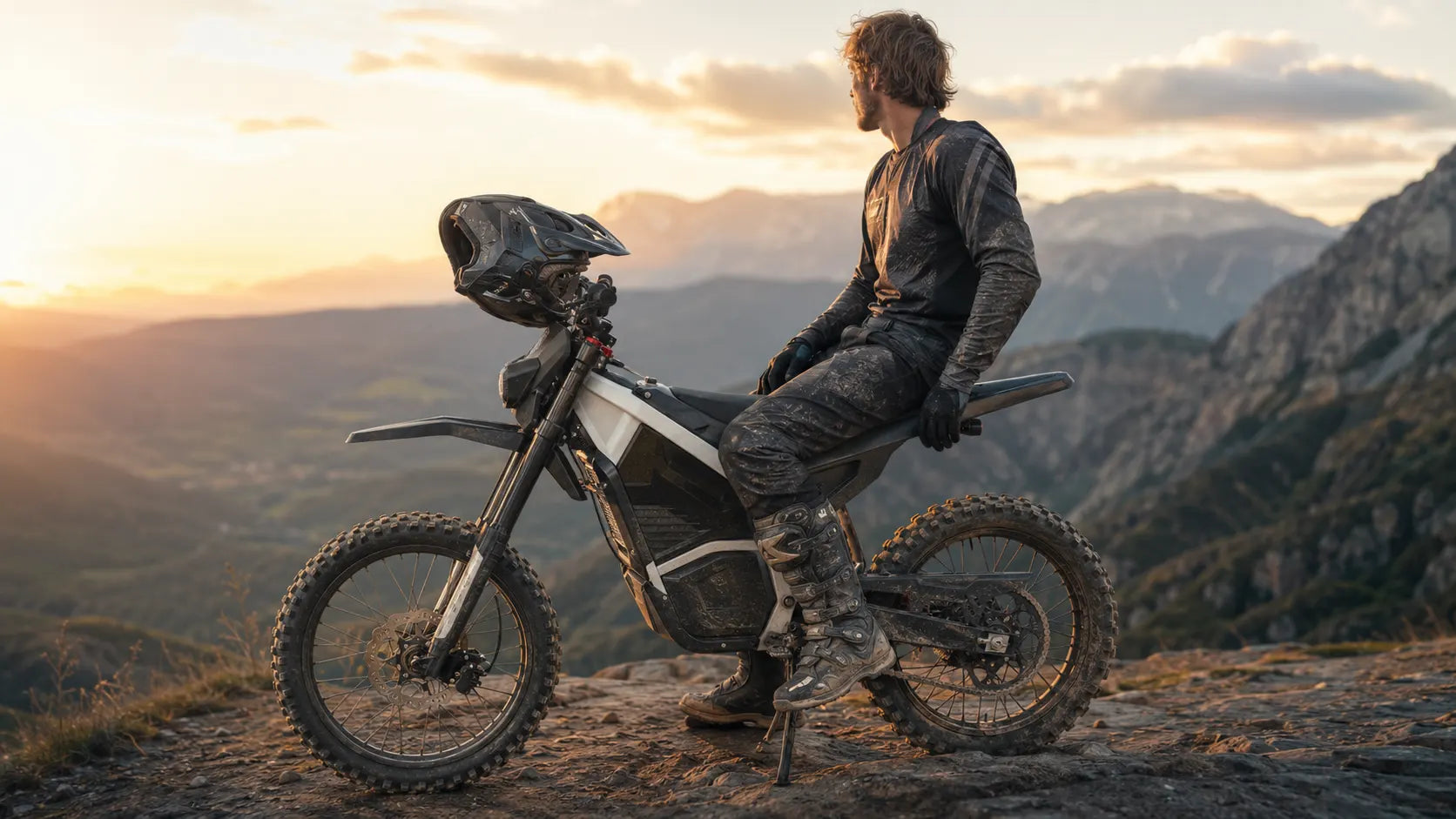
Safety gear is not optional. At minimum wear a full-face helmet, motorcycle boots, knee guards, and back protection on every ride. When you first get on your electric dirt bike, start in a lower speed mode and avoid full power until you understand how the throttle and brakes respond. Building confidence gradually keeps things fun and avoids bad habits early on.

Where Can You Actually Ride Your First Electric Dirt Bike
This is a question a lot of first-time buyers do not think about until after they purchase. Electric dirt bikes are off-road machines and they need off-road space.
The good news is that there are more options than most people expect. Private property and backyard land with enough space is a great starting point. Closed-course dirt tracks and MX parks are another solid option since many allow electric bikes. Designated OHV trails and riding areas are the most common destination for riders who want real terrain, but these usually require an OHV permit or registration depending on your state, so always check local rules before heading out.
Knowing where you plan to ride also helps you pick the right bike. Flat private land and easy trails favor a lighter beginner-friendly machine. Technical terrain and longer OHV loops call for more power and range.
How NATKIE Fits the First-Time Buyer
We built NATKIE around one idea: electric off-road riding should be fun, accessible, and honest. Our lineup is designed around a natural progression so you can start at the right level and grow within the same brand without switching machines later.
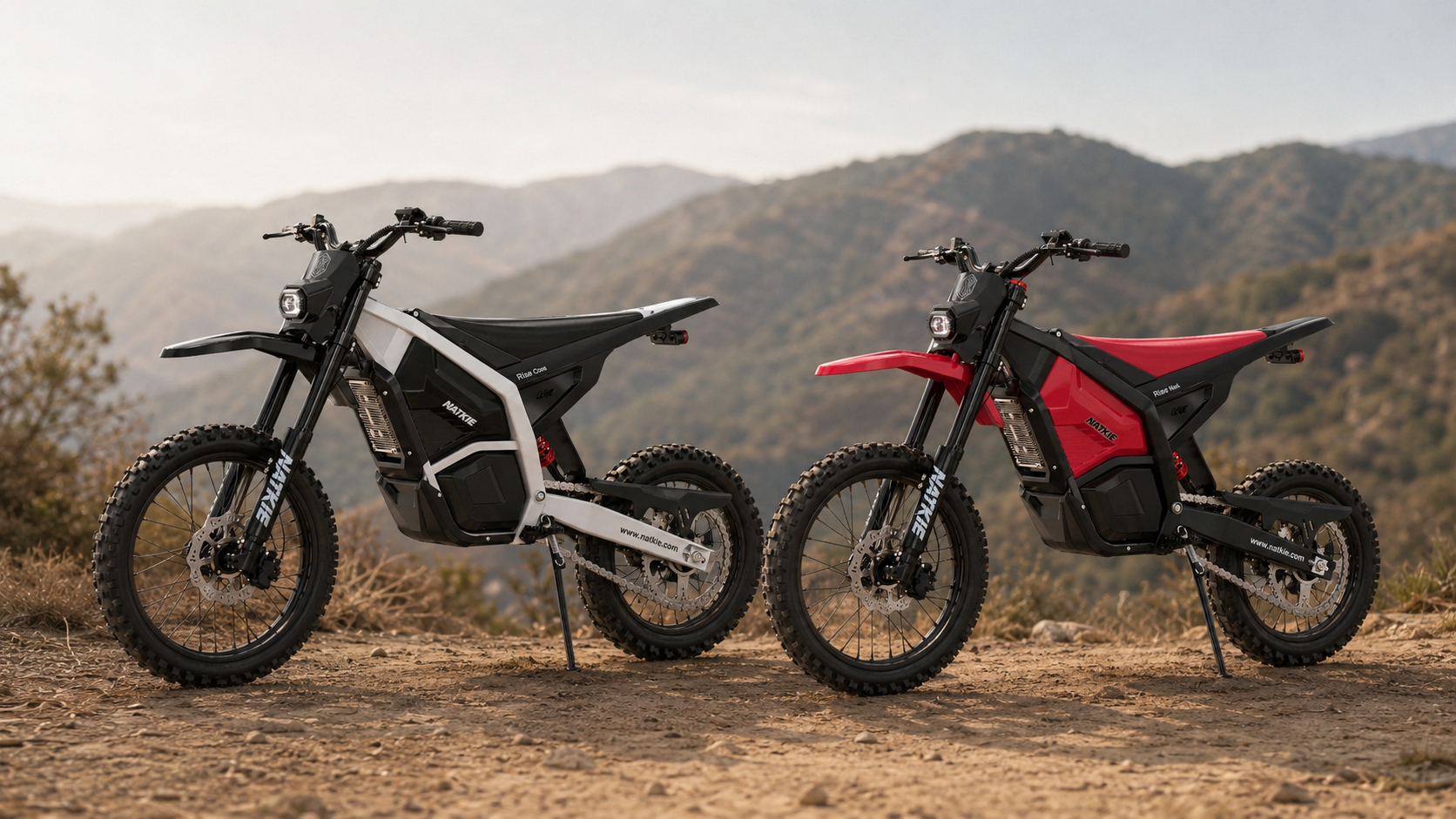
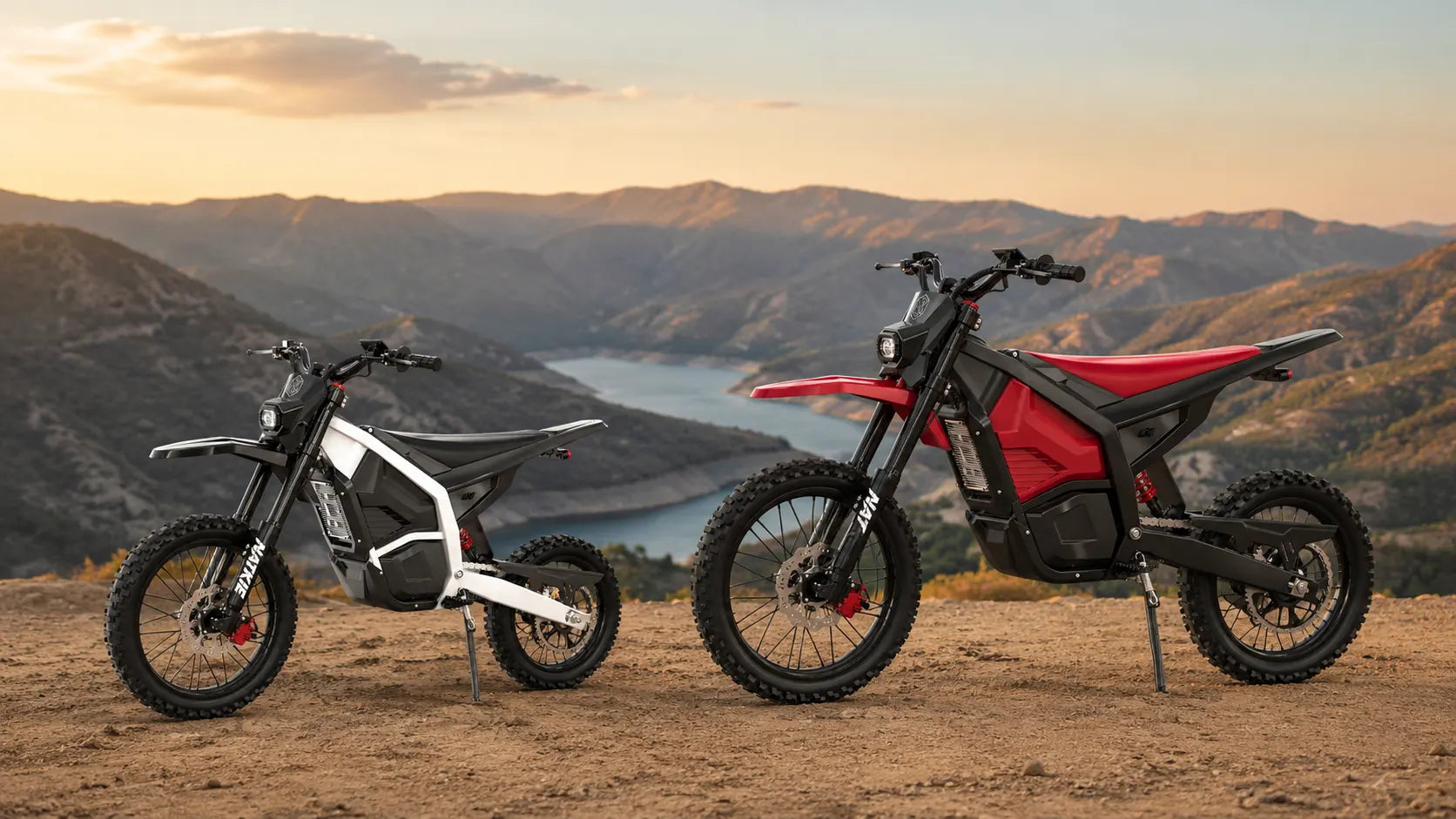
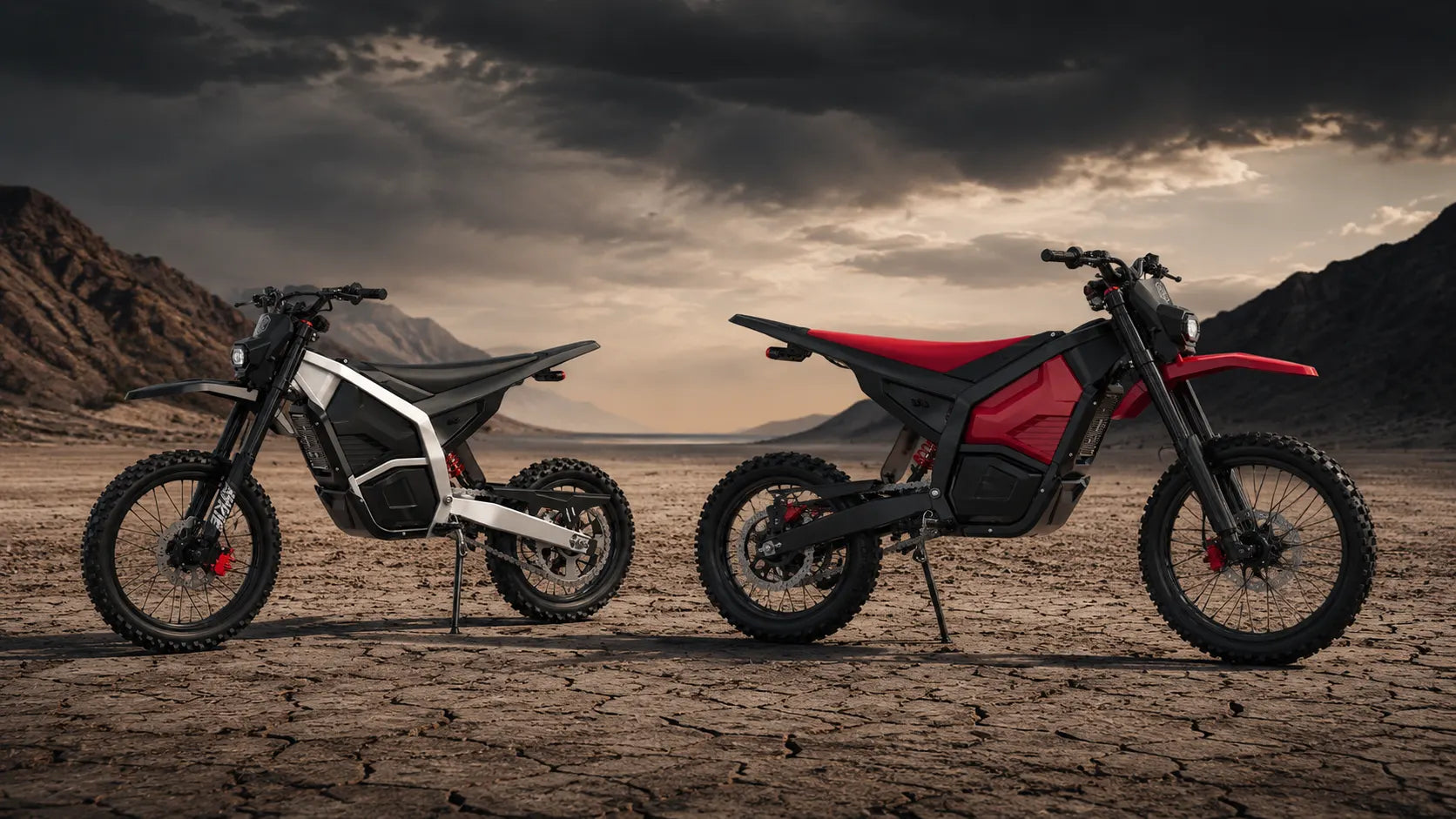
Here is a quick comparison of our two main models:
| Rise Mini | Rise Core | |
|---|---|---|
| Price | $1,299 | $1,899 |
| Motor | 3120W QS Mid-Drive | 5700W QS Mid-Drive |
| Torque | 210 N.m | 250 N.m |
| Top Speed | 42 MPH | 52 MPH |
| Battery | 48V 27Ah | 60V 30Ah |
| Range | 20 to 55 miles | 30 to 62 miles |
| Max Load | 265 lbs | 330 lbs |
| Rider Height | 4'6" to 6'0" | 4'8" to 6'4" |
| Water Resistance | Standard | IP65 |
| Safety Cert | UL2272 / UL2271 | UL2272 / UL2271 |
| Best For | Beginners, teens, first-time riders | Intermediate riders, longer trails |
If you are unsure which one to pick, go with your skill level and where you plan to ride most. The Rise Mini is the smarter starting point for first-time riders and younger audiences. The Rise Core makes more sense if you have some off-road experience and want a bike that can handle more demanding terrain.
Explore the full NATKIE lineup at NATKIE.
Stay tuned on our YouTube channel for upcoming ride content, trail videos, and real-world performance breakdowns.
All NATKIE bikes are for off-road use only on dirt trails, private tracks, and approved riding areas. They are not street legal.
Share: