
When shopping for an electric dirt bike, two numbers tend to dominate the specification sheet: watts and torque.
One bike might advertise a 3,000W motor, another 6,000W, and another 8,000W. At the same time, manufacturers may list torque figures of 200, 250, or even 350 N·m.
So which number should you care about more?
If you want stronger acceleration and climbing ability, is torque the specification that matters? If you want more speed, should you simply choose the bike with the highest wattage?
The short answer is that watts and torque describe different parts of the same performance equation.
Understanding the difference can help you choose an electric dirt bike based on how it will actually ride rather than simply buying the bike with the biggest number on the product page.
Watts vs Torque: The Simple Explanation
The easiest way to think about the two specifications is:
Torque = how strongly the motor can twist
Watts = how much power the motor can deliver
Torque is measured in Newton-meters (N·m), while motor power is normally measured in watts (W) or kilowatts (kW).
The two are closely connected because power depends on both torque and rotational speed. A motor can produce substantial torque at low speed without necessarily producing enormous power at that exact moment. As motor speed increases, power becomes increasingly important.
The U.S. Department of Energy explains that motor power, rotational speed, and torque are directly related and should be considered together when evaluating motor performance. You can read more in the U.S. Department of Energy motor systems guide.
For dirt bike riders, that relationship can be simplified further:
Torque is what you tend to feel immediately. Power is what helps the bike keep performing as speed increases.
What Do Watts Tell You on an Electric Dirt Bike?
Motor wattage describes power.
A 5,000W electric motor can theoretically deliver more power than a 3,000W motor, assuming the battery, controller, motor, and rest of the electrical system can support it.
Higher motor power can contribute to stronger acceleration at speed, better ability to maintain speed uphill, greater performance under heavier loads, and higher potential top speed.
However, there is an important detail when comparing electric dirt bikes: manufacturers often advertise peak power.
Peak wattage is the maximum amount of power the system can produce for a limited period, such as during hard acceleration or a demanding climb. Continuous power refers to the amount of power the motor can sustain for longer periods without exceeding its electrical or thermal limits.
That means an electric dirt bike advertised as 8,000W may not continuously operate at 8,000W.
For that reason, wattage is useful, but it should never be the only specification you consider.
What Does Torque Tell You?
Torque describes rotational force.
On an electric dirt bike, it strongly influences the sensation riders often describe as pull.
When you open the throttle from a stop, the motor must create enough rotational force to accelerate the bike. When climbing a steep hill, the drivetrain needs to continue turning the rear wheel against gravity and resistance. When riding through mud, sand, or loose terrain, the bike needs enough force at the wheel to maintain momentum.
These are situations where torque becomes especially important.
Strong usable torque can contribute to quicker launches, better low-speed response, stronger hill-climbing ability, and improved performance on technical terrain.
Electric motors are particularly well suited to this because they can produce significant torque from very low rotational speeds.
However, torque figures also need to be interpreted carefully.
Not All Torque Numbers Are Directly Comparable
A torque number only becomes truly useful when you know where it is measured.
Manufacturers may quote motor shaft torque, output torque after reduction gearing, or torque measured closer to the rear wheel.
These numbers can be very different.
Gearing can multiply the torque produced by the motor before it reaches the rear wheel. This is especially relevant with mid-drive electric dirt bikes, where power travels through a drivetrain before turning the wheel.
So if one bike is advertised with 250 N·m and another with 200 N·m, you should not automatically assume the first bike will pull 25% harder.
The measurement method, gearing, wheel diameter, controller tuning, and overall drivetrain design all influence what the rider actually experiences.
NATKIE Example: 3120W vs 5700W vs 8000W
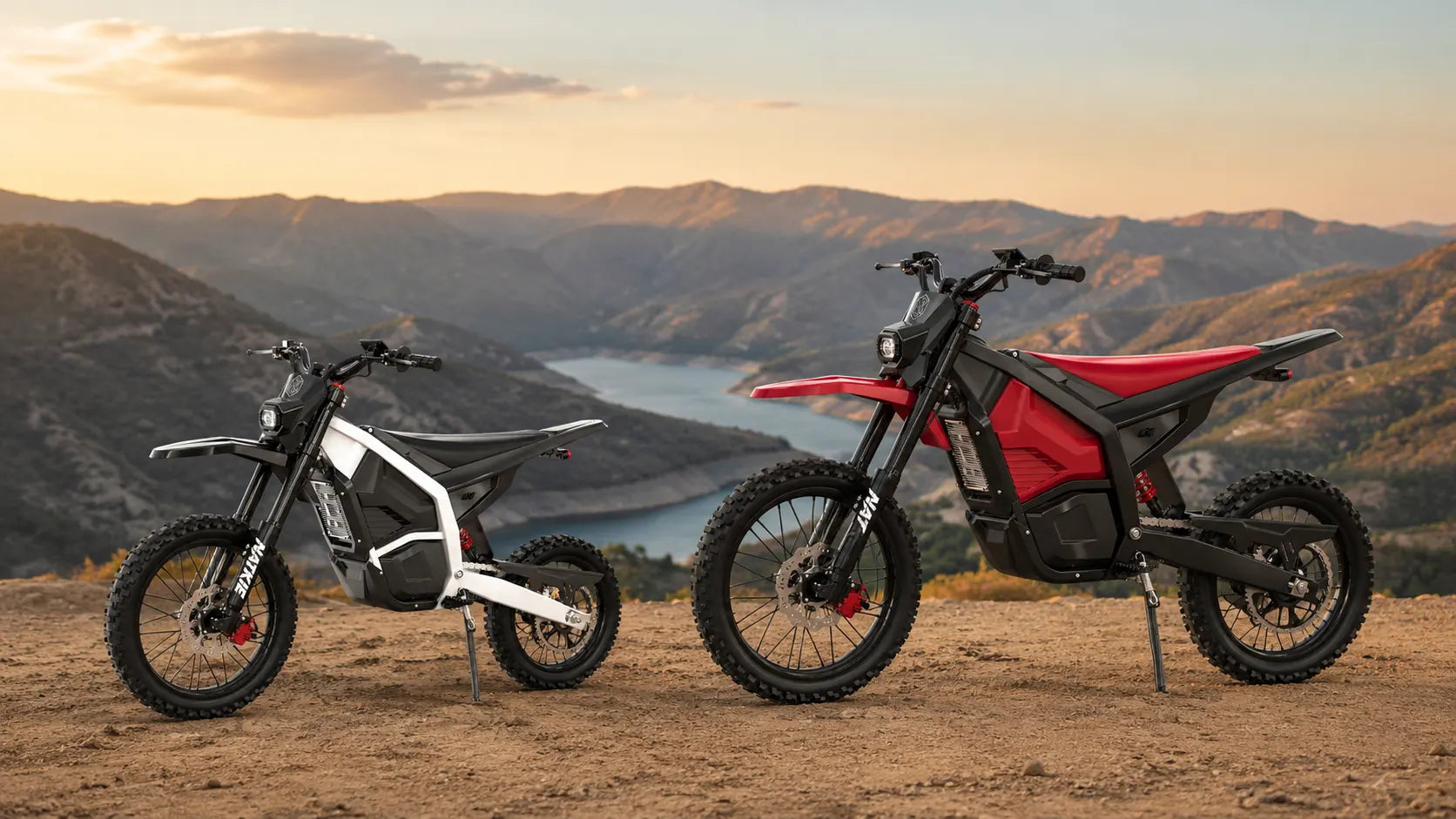
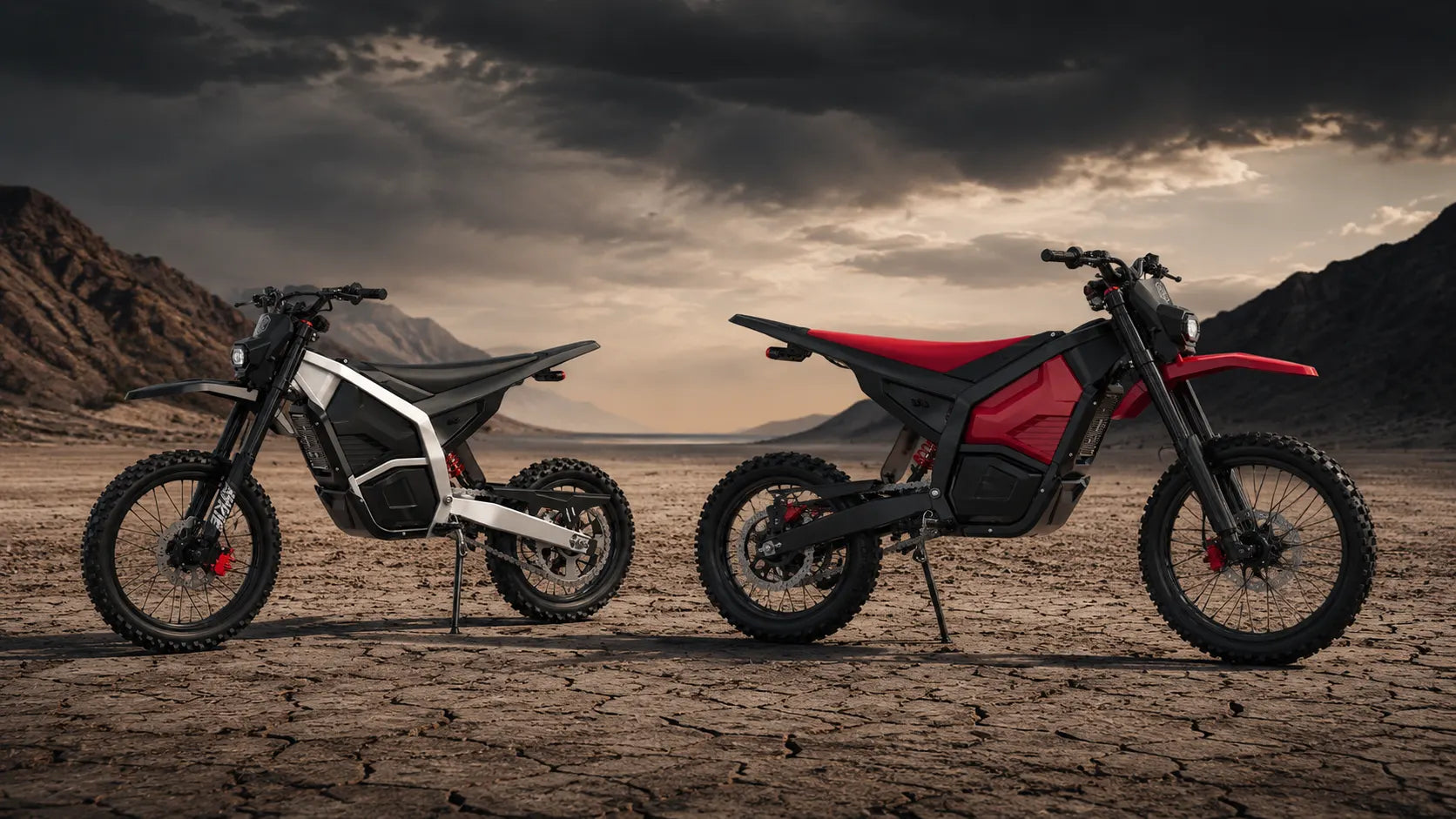
Our NATKIE lineup provides a useful example of why watts and torque should be evaluated together.
| Model | Peak Motor Power | Listed Torque | Top Speed |
|---|---|---|---|
| RISE Mini | 3,120W | 210 N·m | 42 MPH |
| RISE Core | 5,700W | 250 N·m | 52 MPH |
| Vortex N1 | 8,000W | 360 N·m | 50 MPH |
Our compact RISE Mini uses a 3,120W peak mid-drive motor with 210 N·m of listed torque and reaches up to 42 MPH.
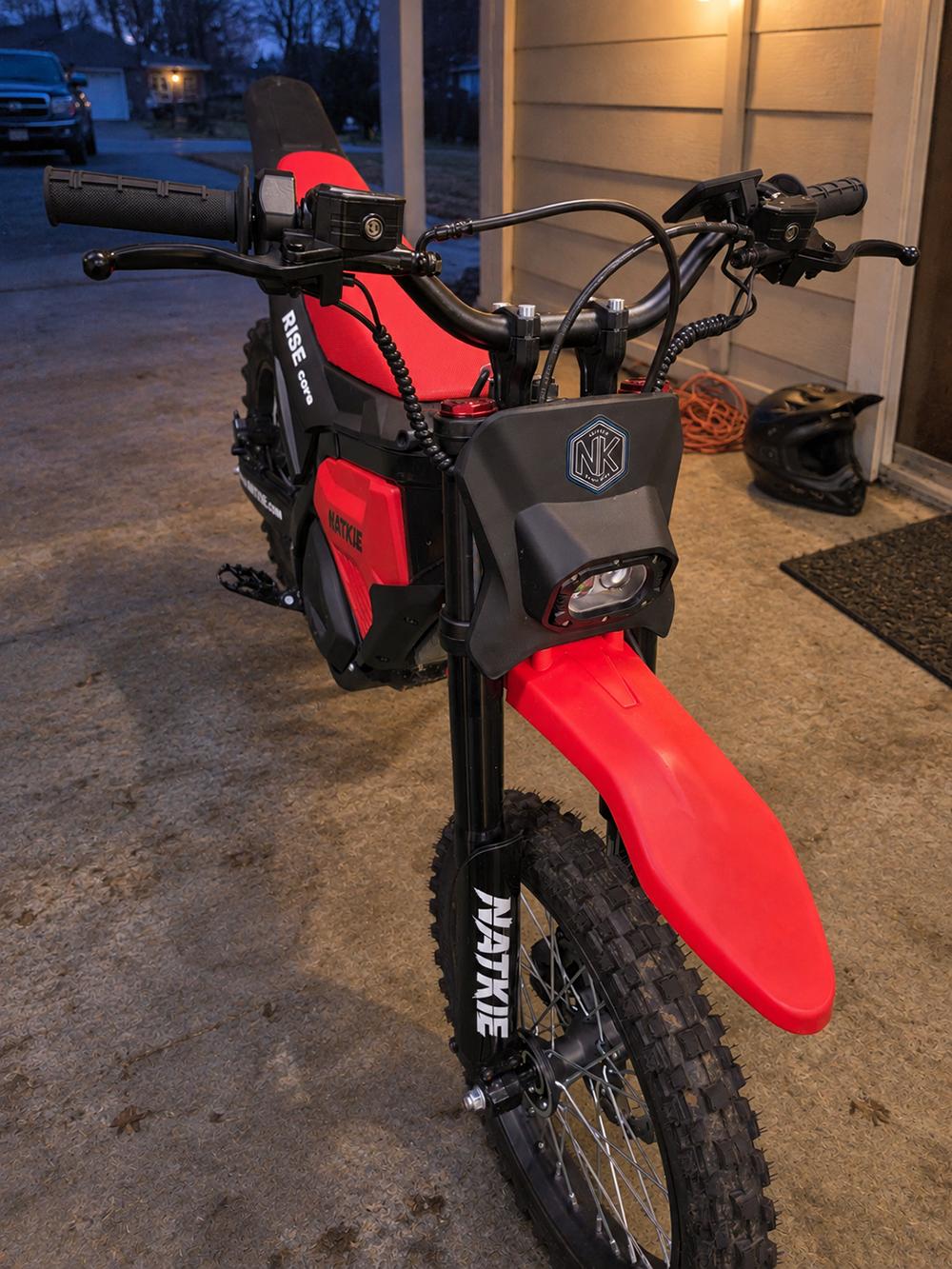
Our RISE Core increases peak motor output to 5,700W and listed torque to 250 N·m while reaching up to 52 MPH.
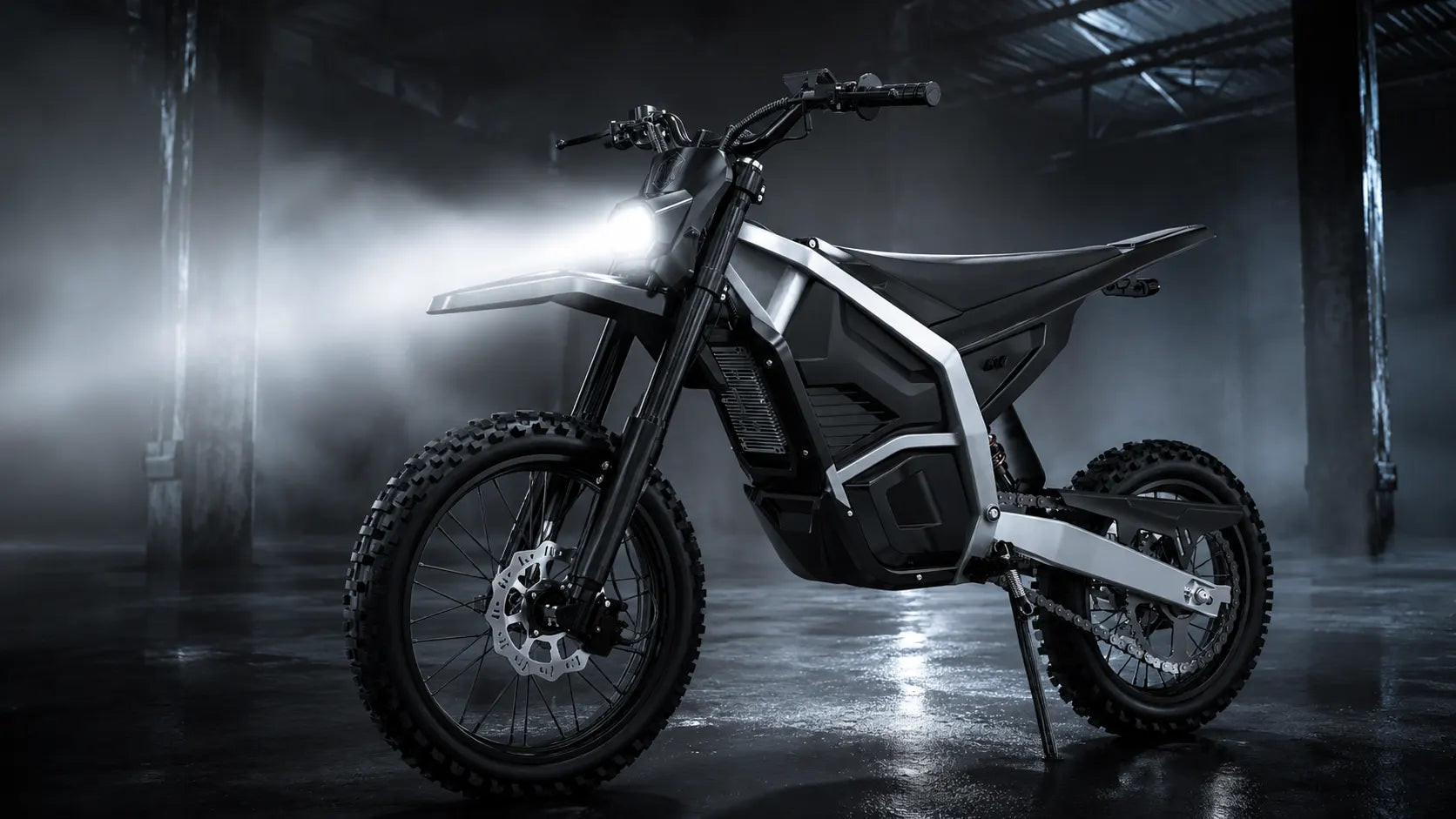
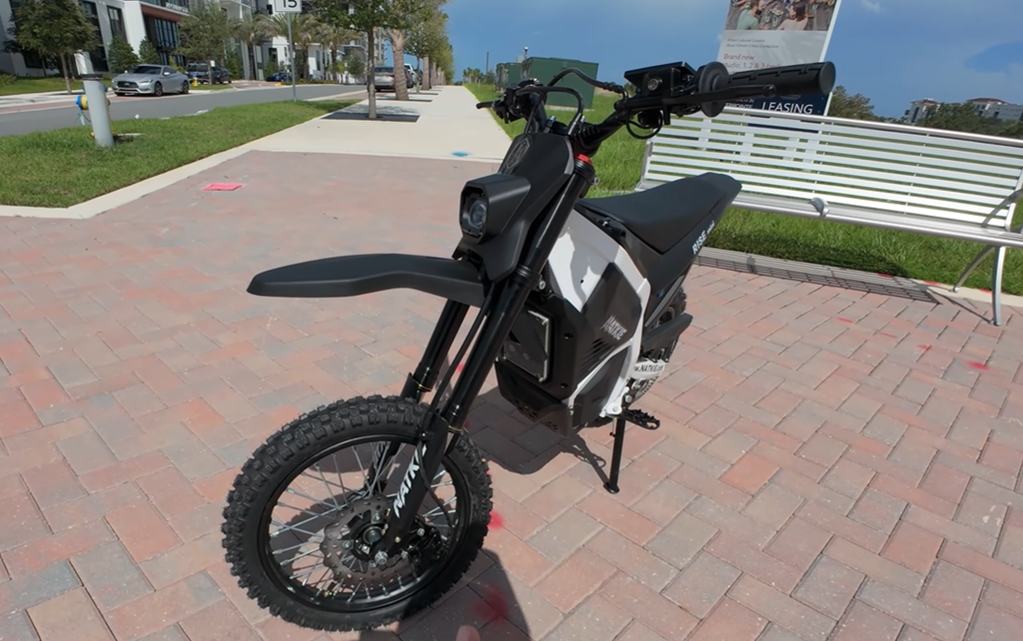
At the top of our range, the Vortex N1 combines an 8,000W peak mid-drive motor with 360 N·m of listed torque and reaches up to 50 MPH.
This creates an interesting comparison.
The Vortex N1 has substantially more motor power and torque than the RISE Core, yet its maximum speed is slightly lower.
That immediately demonstrates why top speed is not determined by watts or torque alone.
Why More Watts Do Not Always Mean More Top Speed
If motor wattage alone determined maximum speed, an 8,000W electric dirt bike would always be faster than a 5,700W bike.
But electric dirt bikes are complete mechanical and electrical systems.
Top speed can also be influenced by motor RPM, gearing, controller programming, wheel diameter, battery voltage, bike weight, aerodynamic drag, and electronic speed limits.
A manufacturer may also intentionally tune one bike for stronger low-speed and mid-range performance rather than maximum top speed.
Our Vortex N1 and RISE Core illustrate this well. The Vortex N1 is a larger full-size performance platform, while the RISE Core is configured differently in terms of wheel size and overall drivetrain characteristics.
Motor wattage therefore tells you something about the performance capability of the drivetrain, but it should not be treated as a direct MPH rating.
Which Matters More for Acceleration?
For the first hit of acceleration, torque matters enormously.
When you open the throttle from low speed, the motor needs to create rotational force at the rear wheel. Strong torque delivery can make the bike feel responsive, aggressive, and quick off the line.
This is one reason two electric dirt bikes with similar top speeds can feel completely different when you first twist the throttle.
However, acceleration does not depend on torque alone.
As speed increases, the motor needs to continue producing power. A bike may deliver extremely strong initial torque but begin to lose acceleration as speed rises if the drivetrain cannot continue producing enough power.
A useful way to think about it is:
Low-speed punch = torque matters heavily
Continued acceleration = power becomes increasingly important
The best-performing electric dirt bikes need both.
Which Matters More for Hill Climbing?
For technical hill climbing, torque is extremely important.
Imagine riding slowly up a steep rocky incline. You are not trying to reach 50 MPH. You need the motor to keep turning the rear wheel while the bike works against gravity, loose terrain, and obstacles.
Strong low-speed torque can make a major difference here.
However, wattage becomes increasingly important when the climb becomes longer or faster.
A drivetrain that produces strong initial torque but cannot maintain enough power may gradually lose speed during a long uphill section.
For serious climbing performance, therefore, the ideal combination is:
Strong torque + sufficient sustained power + appropriate gearing
Simply choosing the bike with the biggest N·m figure does not guarantee the best climber.
Which Matters More for Top Speed?
For higher-speed riding, motor power generally becomes more important than torque alone.
As speed increases, the drivetrain needs to continue producing enough power to overcome aerodynamic drag, rolling resistance, and other forces acting against the bike.
A higher-power drivetrain can often continue accelerating at speeds where a lower-powered bike begins to run out of performance.
But again, wattage does not directly translate into top speed.
Gearing, motor RPM, controller limits, wheel size, and the complete drivetrain configuration still determine how that power is used.
Think of watts as describing the bike's ability to keep delivering performance, rather than directly telling you how many MPH the bike will reach.
What Matters More on Technical Trails?
Technical off-road riding changes the priorities again.
If you spend most of your time riding steep climbs, loose dirt, rocks, roots, tight trails, or low-speed obstacles, usable torque and throttle control can sometimes matter more than maximum wattage.
A bike with huge peak power but extremely aggressive throttle response can actually become harder to ride through technical terrain.
Too much sudden torque may cause the rear tire to break traction when you need controlled movement instead.
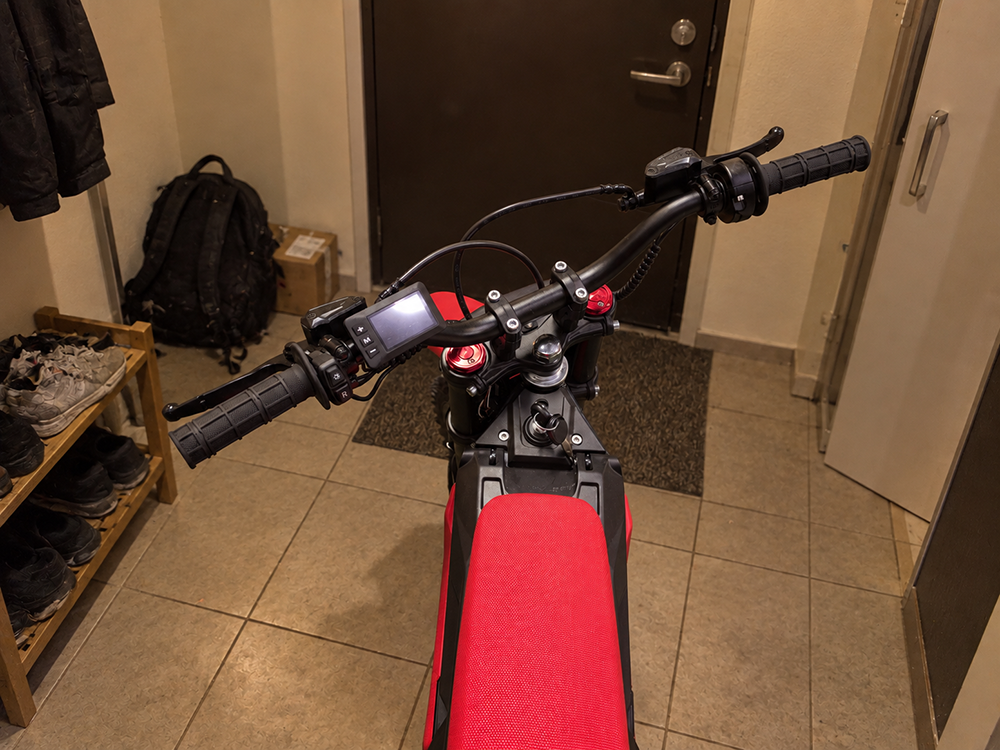
That is why controller tuning, throttle mapping, and riding modes can have a major effect on how useful the available torque actually feels.
More torque is not always better if you cannot control it.
Peak Power vs Continuous Power
Peak wattage gets most of the attention because it creates the largest number on a specification sheet.
But continuous power can be just as important.
Peak power tells you what the drivetrain can produce during short periods of maximum demand.
Continuous power tells you what the motor and electrical system can sustain for longer periods.
Consider two hypothetical motors:
Motor A: 8,000W peak
Motor B: 7,000W peak
Motor A appears stronger based purely on the headline number.
But if Motor B can maintain significantly more power continuously, it may perform better during long climbs, repeated acceleration, or extended high-speed riding.
When continuous motor ratings are available, they are worth checking alongside the advertised peak output.
Why Gearing Changes Everything
Gearing is another reason watts and torque cannot be evaluated independently.
A drivetrain can exchange rotational speed for torque.
Lower gearing can multiply torque at the rear wheel, making the bike feel stronger during acceleration and climbing. The trade-off is that lower gearing may reduce potential top speed.
Higher gearing can favor speed but provide less torque multiplication at the wheel.
That means two bikes using similar motors can still feel completely different.
One may deliver strong low-speed acceleration and excellent climbing performance.
Another may feel less aggressive from a stop but continue accelerating to a higher speed.
Neither setup is automatically better.
They are simply optimized for different types of riding.
Don't Ignore Wheel Size
Wheel diameter also influences how drivetrain torque translates into force at the ground.
Smaller and larger wheels create different mechanical relationships between the axle and the contact patch.
But wheel size also influences obstacle rollover, stability, handling, rider fit, and ground clearance.
That is why comparing motor specifications without considering the bike itself can lead to the wrong buying decision.
If you are choosing between different dirt bike sizes, our Electric Dirt Bike Size Guide explains how wheel size, frame dimensions, and rider size affect the overall riding experience.
What About Battery Voltage?
Motor power also needs to be considered together with battery voltage.
A powerful motor requires an electrical system capable of supplying enough energy and current.
That is why high-performance electric dirt bikes often use higher-voltage battery systems.
However, just like watts and torque, voltage should never be considered by itself.
A 72V bike is not automatically faster than a 60V bike, and a 60V system is not automatically more powerful than a 48V system.
If you want to understand this relationship in more detail, read our guide to 48V vs 60V vs 72V electric dirt bikes, where we explain what battery voltage actually changes.
So, Which Specification Matters More?
The answer depends on how you ride.
For Quick Acceleration
Pay close attention to torque, but also consider motor power, gearing, and controller response.
Strong torque helps create the immediate pull you feel when opening the throttle.
For Steep Technical Climbs
Torque is especially important, but the bike also needs enough sustained power to maintain momentum as the climb continues.
For High-Speed Riding
Watts become increasingly important, together with motor RPM, gearing, and controller limits.
For Mud, Sand, and Loose Terrain
Strong usable torque helps keep the wheel moving, but smooth power delivery and throttle control are equally important for maintaining traction.
For Overall Performance
Neither specification wins by itself.
The complete performance equation includes:
Torque + Motor Power + Gearing + Controller + Battery + Wheels + Chassis
That is what determines how the electric dirt bike actually feels on the trail.
Watts vs Torque: What Should You Look at Before Buying?
Instead of comparing only one headline number, look at the full specification sheet.
Useful specifications include:
- Peak motor power
- Continuous motor power, if available
- Torque
- Top speed
- Battery voltage
- Battery capacity
- Motor type
- Wheel size
- Bike weight
- Rider weight limit
- Suspension
- Brakes
Then compare those specifications with the type of riding you actually plan to do.
A rider spending most of the time on tight technical forest trails does not necessarily need the same drivetrain characteristics as someone riding fast across open terrain.
The biggest number is not always the best choice.
The Bottom Line: Torque Makes You Feel It, Watts Help You Keep It
If you want the simplest explanation of watts vs torque on an electric dirt bike, remember this:
Torque creates the twisting force that produces the initial pull you feel from the bike.
Watts describe how much power the drivetrain can deliver as the motor continues turning.
Torque becomes especially noticeable during launches, low-speed riding, technical obstacles, and steep climbs.
Power becomes increasingly important when you want to continue accelerating, maintain speed uphill, or ride quickly for longer periods.
But neither number tells the complete story.
Our NATKIE lineup demonstrates this clearly.
Our RISE Mini combines 3,120W with 210 N·m, our RISE Core steps up to 5,700W and 250 N·m, and our Vortex N1 reaches 8,000W and 360 N·m.
Those figures describe increasingly capable drivetrains, but each motor exists inside a bike with different wheels, battery systems, gearing, dimensions, and intended riding characteristics.
So when comparing your next electric dirt bike, do not ask only:
“How many watts does it have?”
And do not ask only:
“How much torque does it make?”
Instead, ask:
“How does the entire drivetrain turn those numbers into performance on the trail?”
That is what ultimately matters most.
Share: