
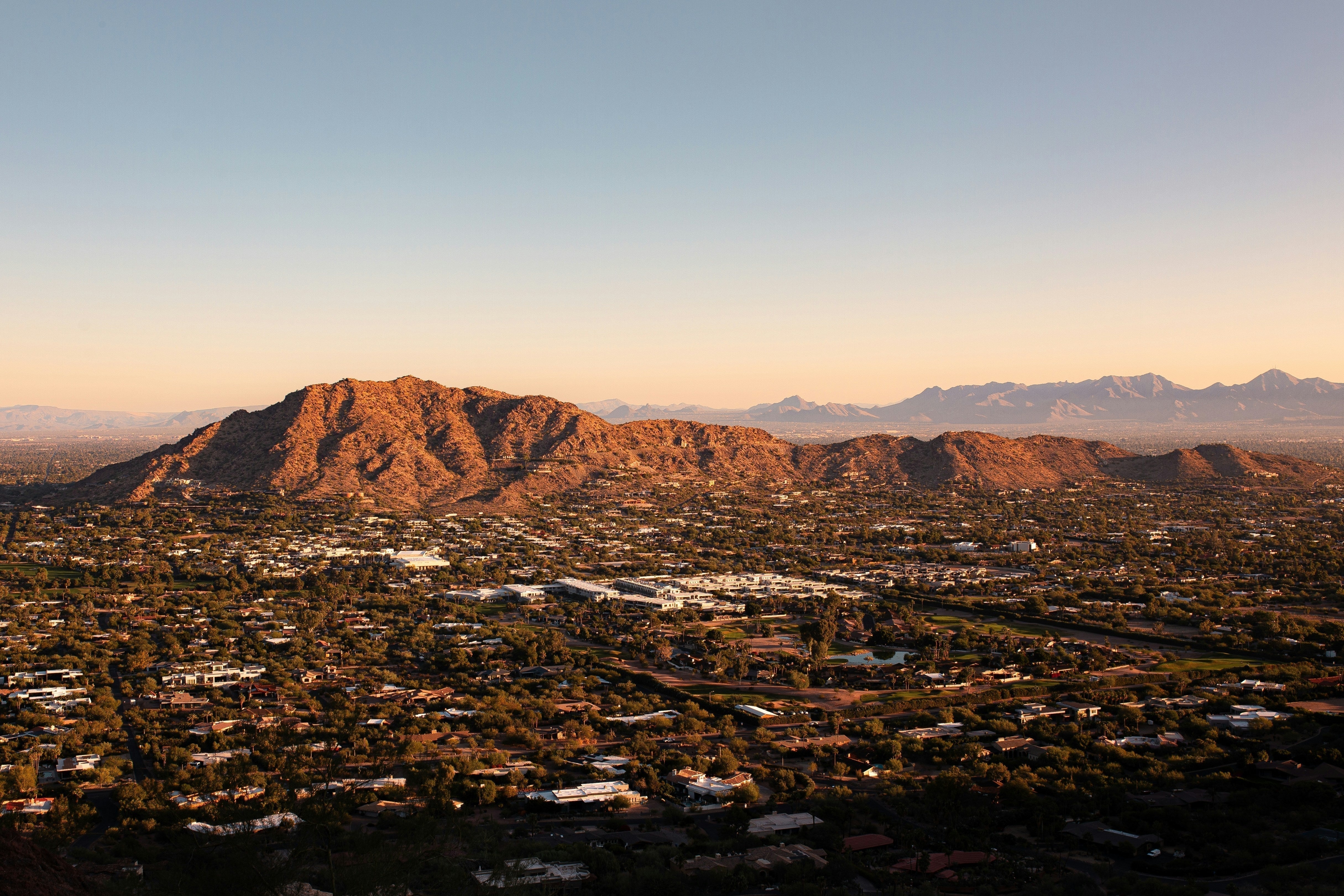
Are Electric Dirt Bikes Street Legal in Phoenix? Arizona E-Moto Laws Explained
Many Phoenix riders are searching for powerful electric dirt bikes online, but not every electric bike you see is legal to ride on city streets, sidewalks, or bike lanes. Arizona law draws clear lines between low-power electric bicycles and high-power e-moto style dirt bikes, and Phoenix adds its own local rules that every rider should understand before they buy or ride.
This guide explains how Phoenix and Arizona treat electric dirt bikes, where you cannot ride them, and where they actually belong: on private property, closed-course tracks, and designated OHV areas outside the city.
Electric Dirt Bike Laws Phoenix: E-Bikes vs Motor-Driven Cycles
Arizona law defines electric bicycles as bikes with working pedals and an electric motor of 750 watts or less, divided into three classes based on how the motor assists and at what speed. These e-bikes are generally treated like regular bicycles at the state level. They do not need registration, a license plate, or insurance, though local cities can set extra rules about where they can operate.
High-power electric dirt bikes are completely different. They typically lack functional pedals, exceed 750 watts significantly, and can go far faster than 28 mph. This pushes them into categories like motor-driven cycles or motorcycles rather than e-bikes under Arizona law.
Phoenix's own guidance makes clear that motor-driven cycles must follow full motorcycle rules, including licensing, registration, and insurance, and are not allowed on sidewalks. NATKIE models are designed as electric off-road dirt bikes, not as pedal-assist e-bikes or city commuters, and their power output clearly places them outside the simple e-bike category.
Can You Ride Electric Dirt Bikes on Phoenix Streets?
In Arizona, any off-highway vehicle you want to ride on maintained roads needs to be registered as street legal through the Motor Vehicle Division and must meet full equipment and licensing requirements similar to a motorcycle. This is separate from the OHV decal that allows off-road operation on trails and State Trust Land.
If an electric dirt bike is treated as a motor-driven cycle or motorcycle, the rider would need a valid driver's license with motorcycle endorsement, proper registration and license plate, and required equipment like brake lights, mirrors, horn, and DOT-approved lighting.
Most high-output electric dirt bikes sold for off-road use, including NATKIE models, are not delivered in a configuration that meets full Arizona street-legal motorcycle standards. NATKIE explicitly positions all its bikes for off-road riding only. For Phoenix customers, that means you should not treat these bikes as something you can simply buy and ride on city streets like a scooter or casual e-bike.
Can You Ride Them on Sidewalks or Bike Lanes?
Phoenix is very clear on this. Phoenix City Code section 36-504 makes it a violation to operate an electric bicycle on sidewalks, and the City's police guidance emphasizes that riders may not operate e-bikes or e-scooters on sidewalks at all.
Since Phoenix already bans even standard electric bicycles from sidewalks, there is no room for high-power electric dirt bikes, which are treated more like motor-driven cycles than bicycles. These off-road machines are also not appropriate for bike lanes or multi-use paths inside the city, which are typically limited to bicycles and lower-power e-bikes under Arizona bicycle law.
You should not ride an electric dirt bike on Phoenix sidewalks, in bike lanes, or on multi-use paths regardless of how quiet the motor is.
Where Can You Ride an Electric Dirt Bike Near Phoenix?
Electric dirt bikes belong on private property with the owner's permission, closed-course dirt tracks and MX parks, and designated OHV areas and trails in the desert and nearby public lands.
Arizona requires most OHVs designed for use over unimproved terrain and weighing 2,500 pounds or less to display a valid Arizona OHV decal when operated on public and State Trust lands. Many Phoenix-area destinations like Bulldog Canyon and other Tonto National Forest OHV permit zones also require a separate Tonto NF OHV Permit obtained via Recreation.gov in addition to the state OHV decal.
Riders heading out from Phoenix should always verify whether an Arizona OHV decal is required, whether a land-specific permit is needed for the area they plan to ride, and any seasonal closures or vehicle rules for the trail network they plan to use.

Why NATKIE Is Built for Off-Road Use Only
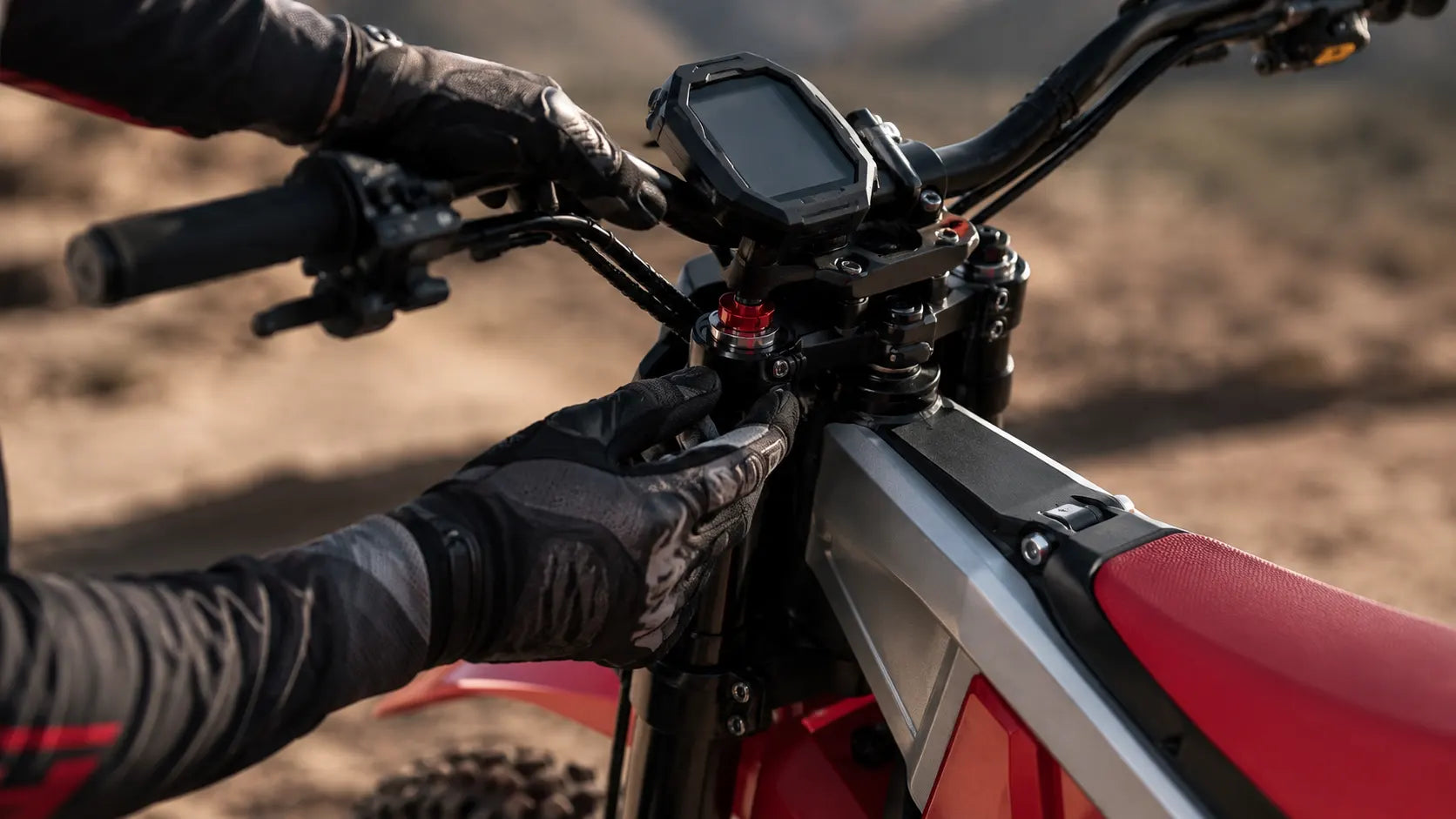
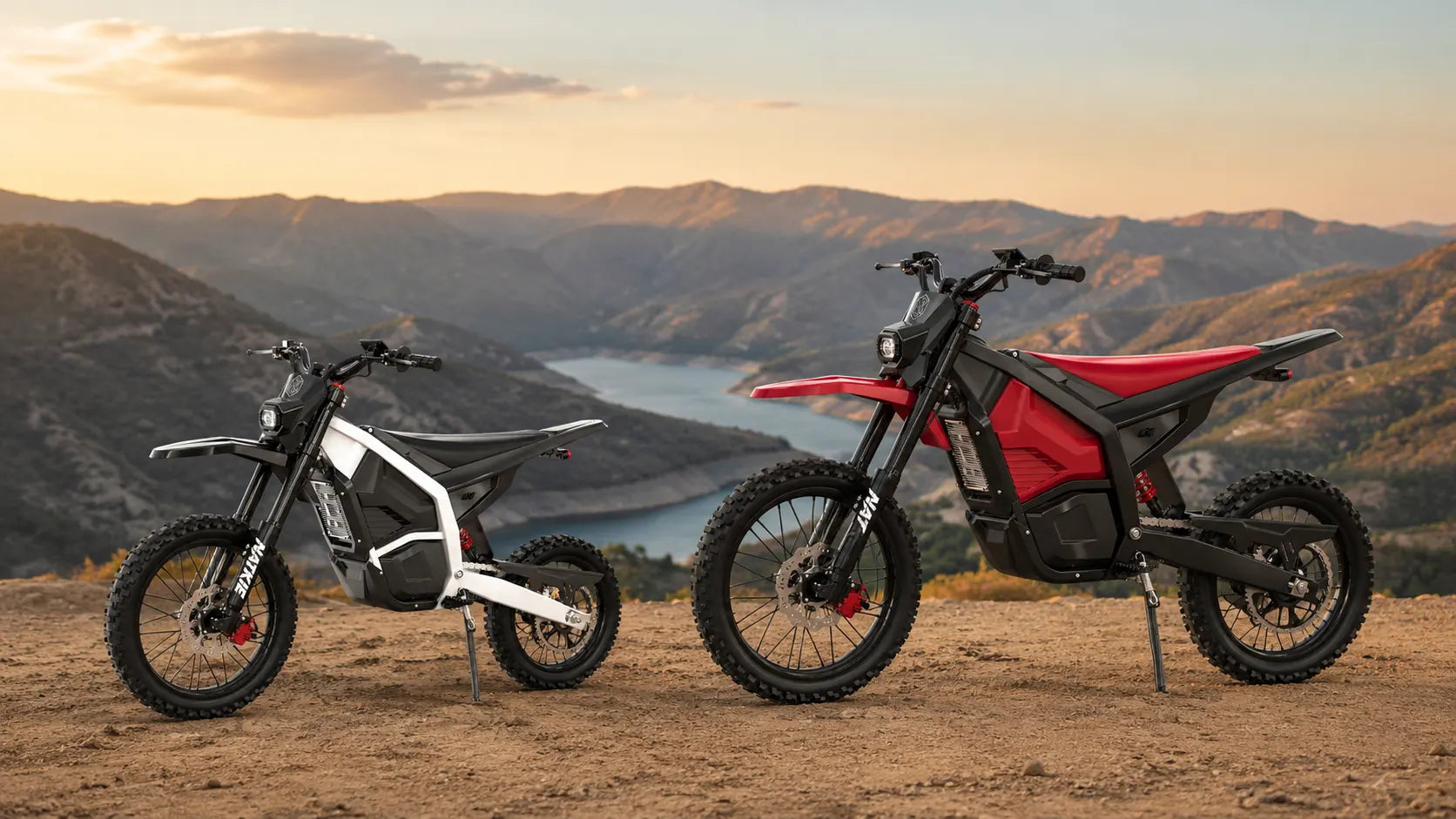
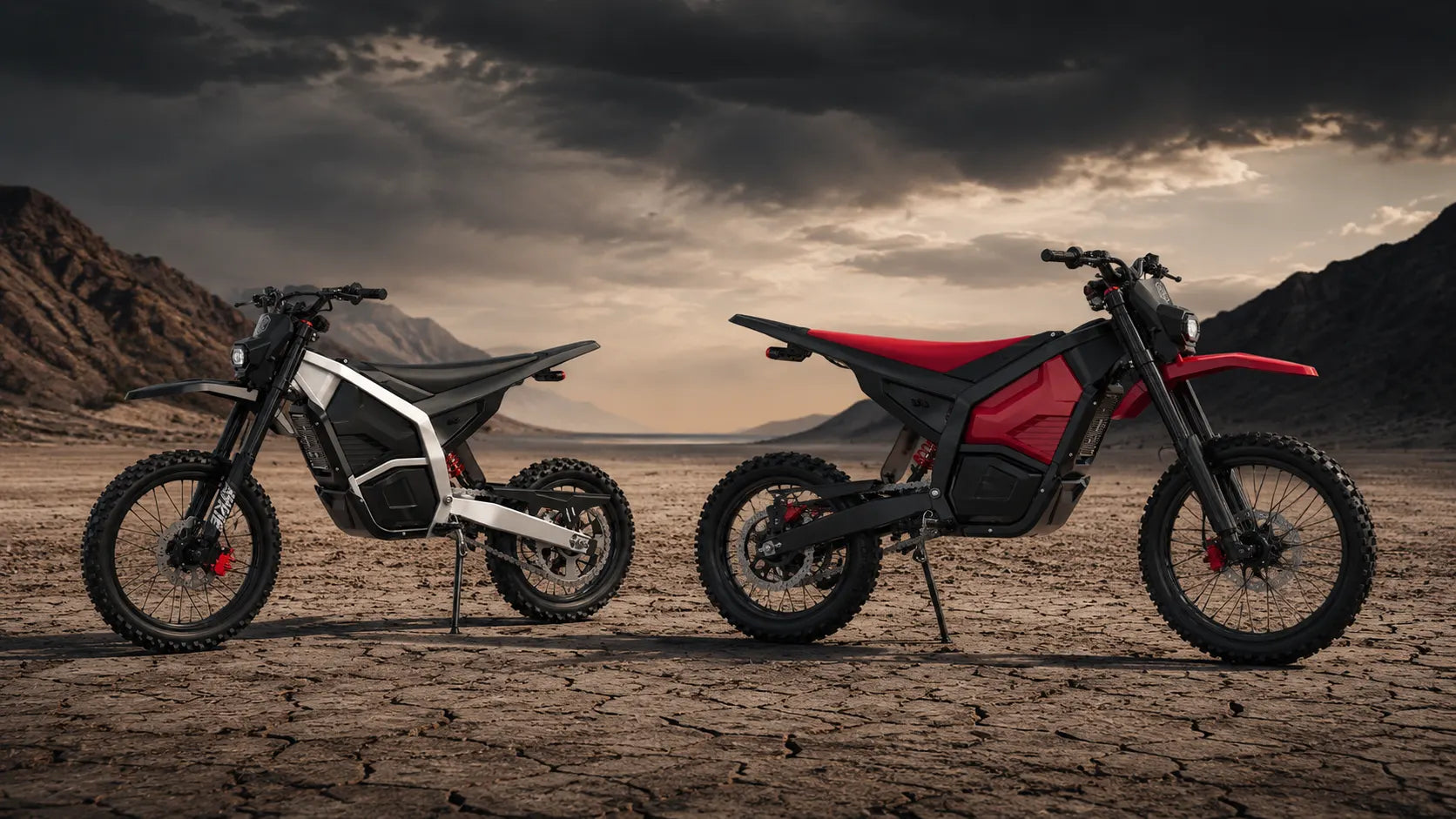
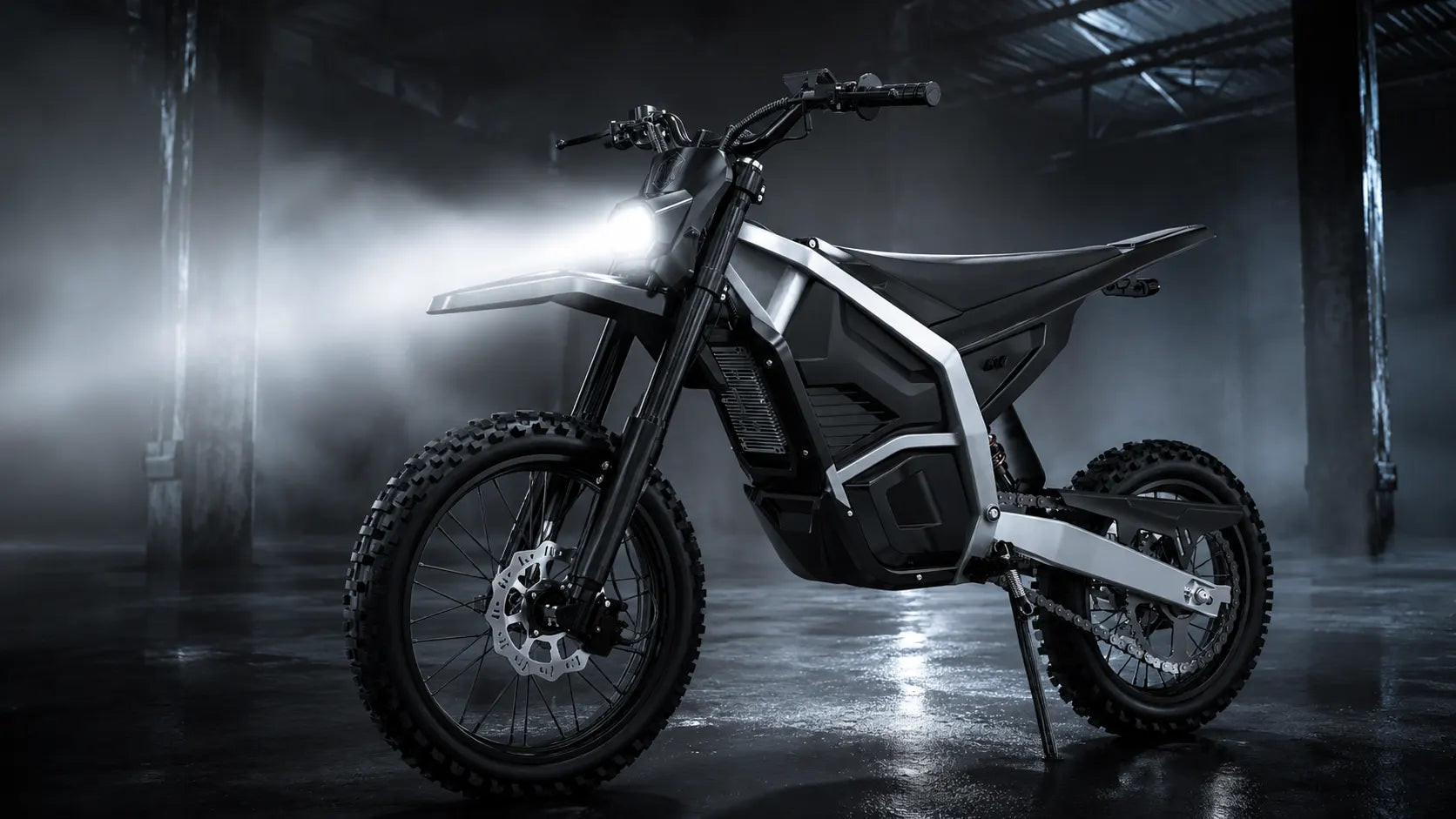
The NATKIE lineup, Rise Mini, Rise Core, and Vortex N1, was designed from the start as a family of off-road electric dirt bikes, not as city transportation. High-output QS motors, large-capacity batteries, and off-road oriented chassis make these bikes perfect for desert OHV areas and trail riding, but they are not configured or positioned as street-legal motorcycles for Phoenix commuting.
For Phoenix-area riders, that means treating NATKIE bikes as off-road machines only. Use them at tracks, on private land, and in legal OHV areas outside the dense urban core. Do not ride them on city sidewalks, in bike lanes, or on ordinary streets.
Responsible Riding Reminder
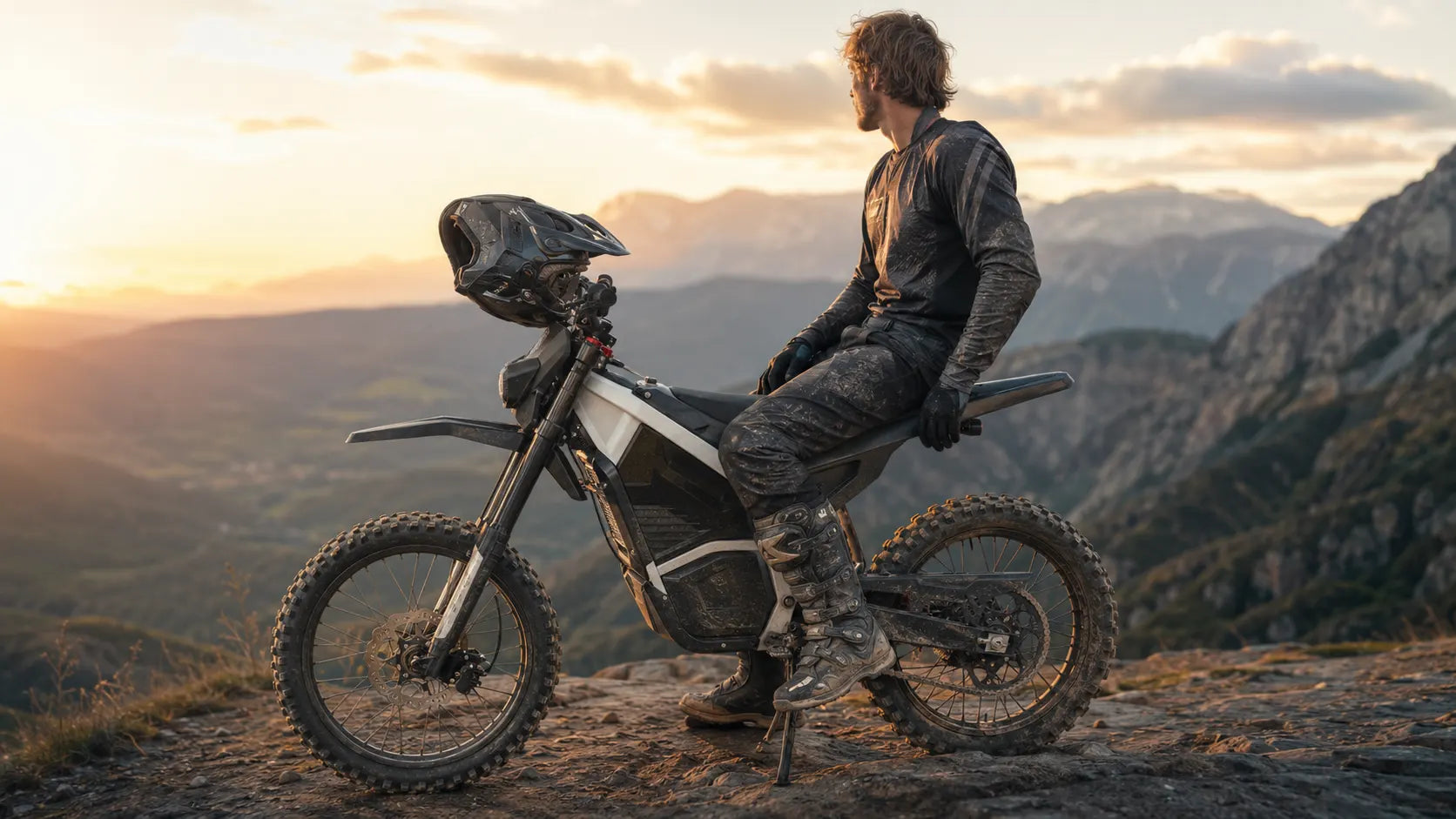
Arizona requires OHV users to complete the free "Safe and Ethical Riding in Arizona" education course as part of the OHV decal process. For Phoenix electric dirt bike riders, responsible riding means taking the required state course, verifying area-specific permits before heading out, wearing full protective gear including helmet, gloves, boots, and eye protection, and respecting trail etiquette rules to help keep OHV areas open for everyone.
Ready to Ride the Right Way?
If you are ready to experience true off-road performance on private land and designated OHV trails around Phoenix, explore our lineup of NATKIE electric off-road motorcycles for sale in Phoenix built strictly for off-road use only.
Stay tuned on our YouTube channel for upcoming ride content, trail videos, and real-world performance breakdowns.
All NATKIE bikes are designed for off-road use only on dirt trails, private tracks, and approved riding areas. They are not street legal.

Share: